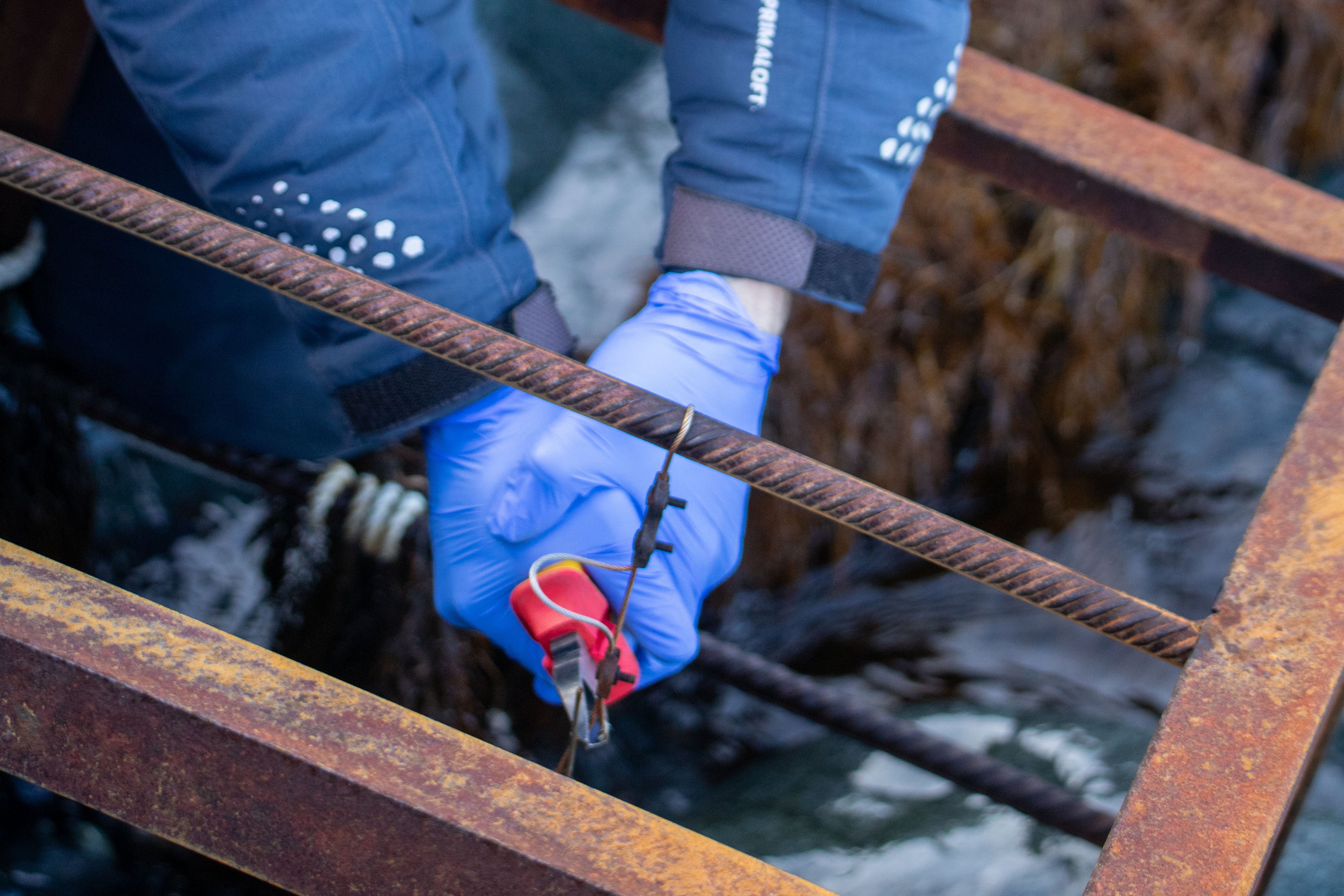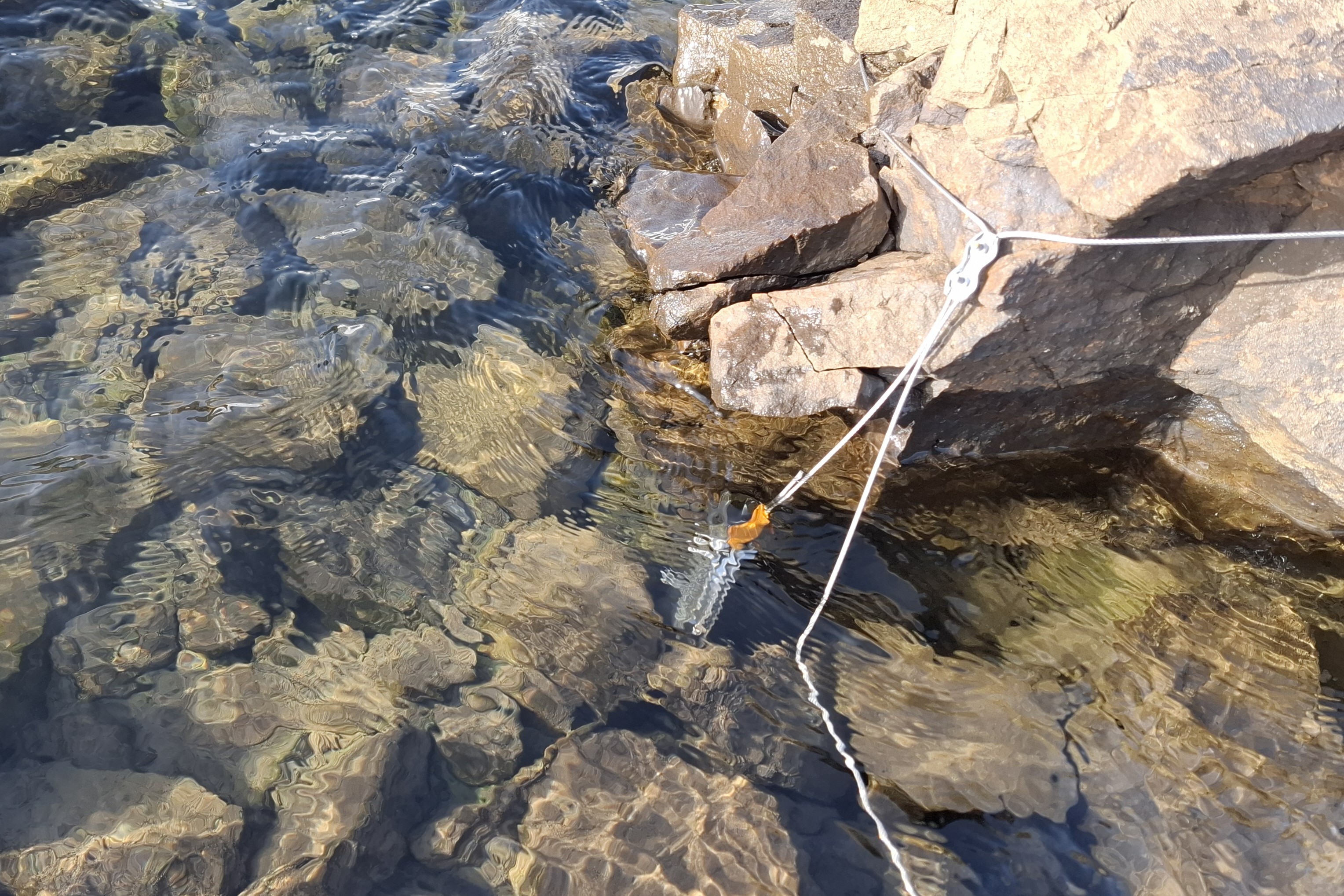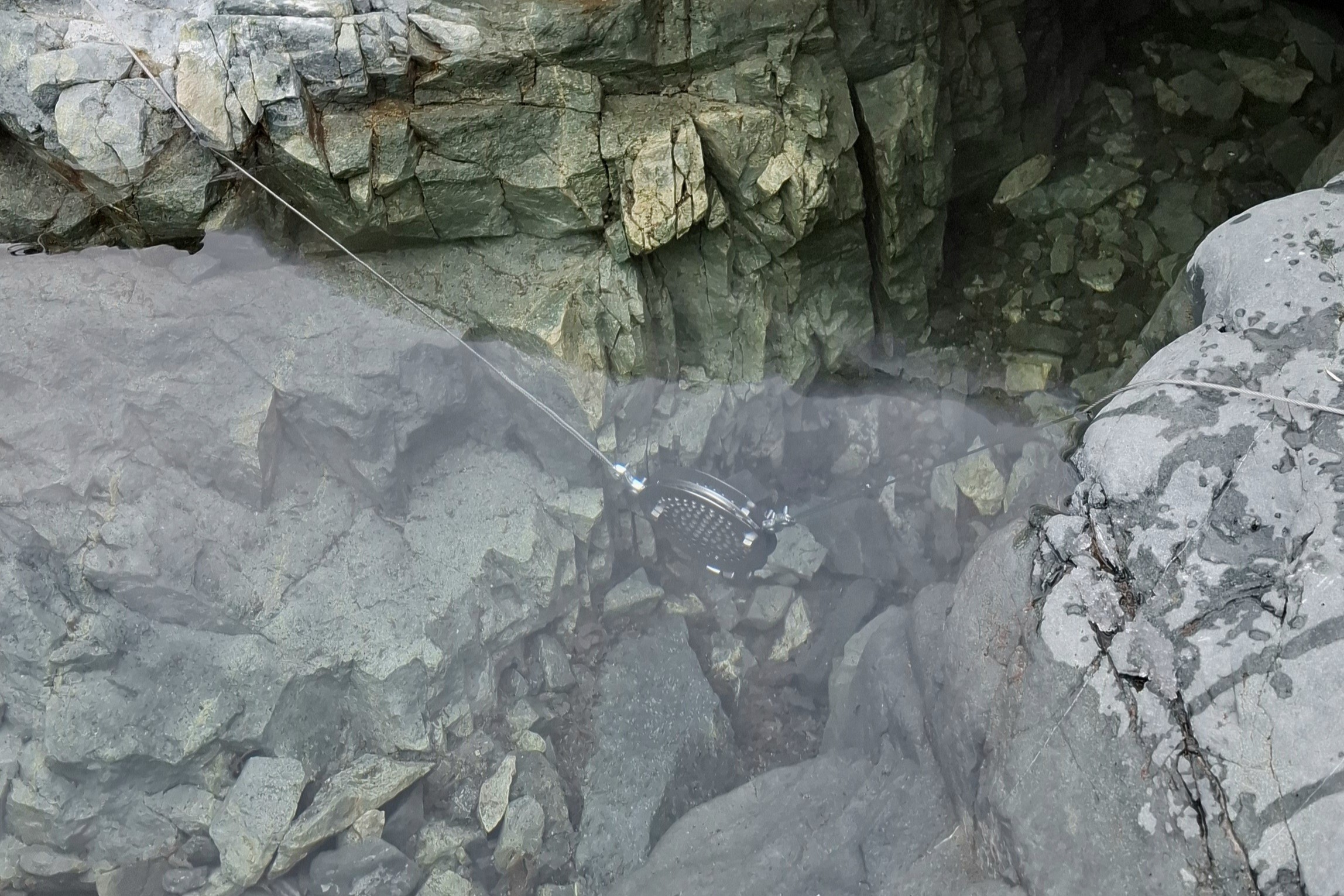
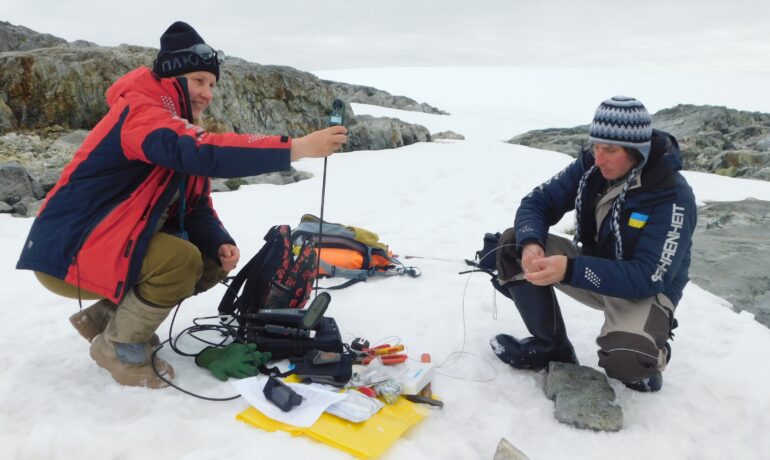
Ukrainian scientists, together with colleagues from the University of South Bohemia (Czech Republic) and the Czech Antarctic Research Program, conducted joint work to detect chemical pollutants in Antarctic waters using special traps. These are Polar Organic Chemical Integrative Samplers – passive samplers that accumulate dissolved organic pollutants from water over time. They have a significant advantage compared to traditional water sampling methods; due to the accumulation effect, these devices can capture chemical compounds that are present in low concentrations or whose concentration fluctuates constantly.
The traps were deployed for two weeks during the last Antarctic season at two locations: near the Ukrainian station “Akademik Vernadsky” (Galindez Island) and near the Czech field base CZ*ECO Nelson (Nelson Island). At each site, four devices operated: in freshwater bodies upstream and downstream the influence of the stations, in glacial-fed waters, and in nearshore marine waters.
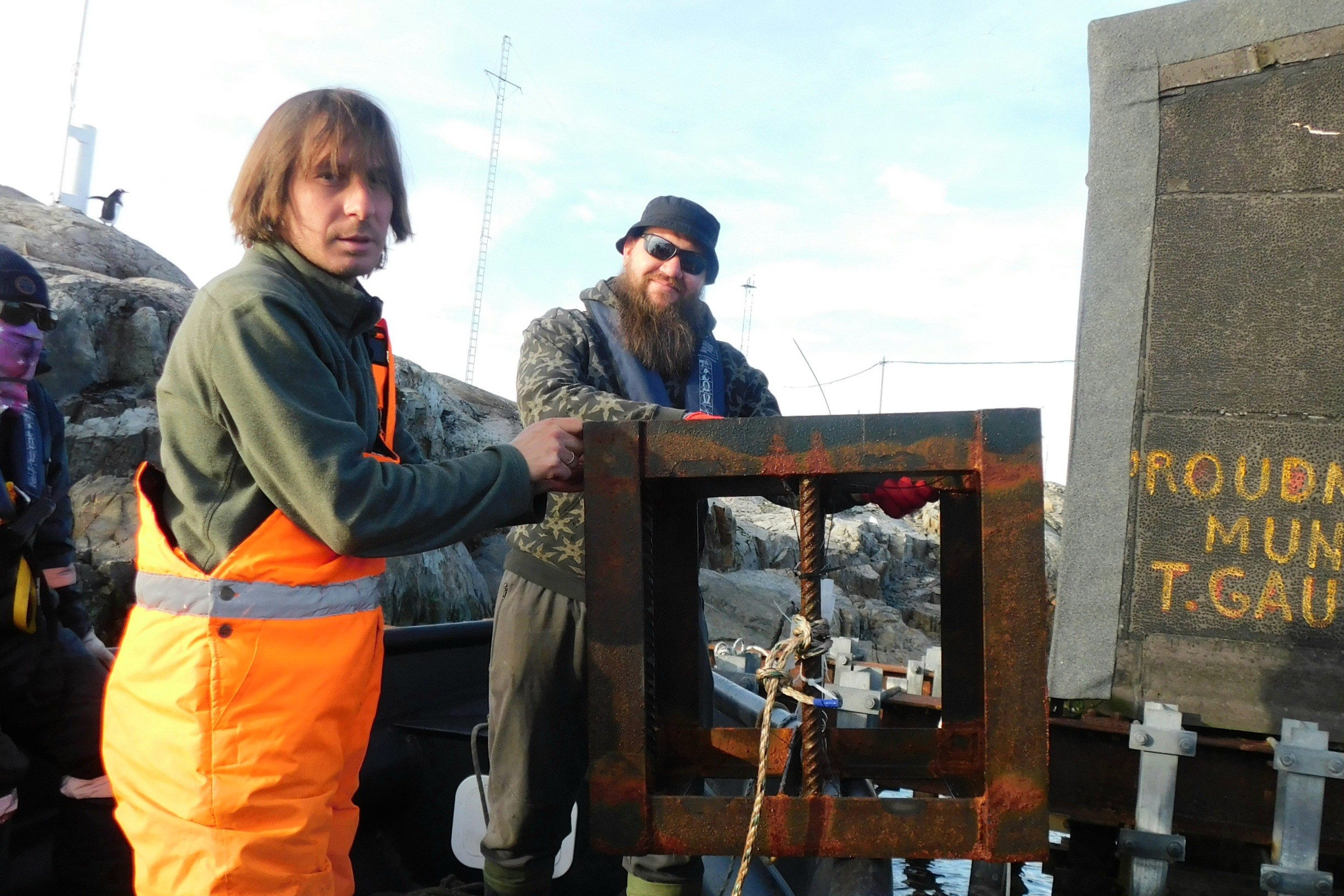
To enable some of the traps to be submerged in the sea, the Ukrainian engineering group welded special metal cubes for them.
Samples were analyzed using liquid chromatography-mass spectrometry (LC-MS) for a wide range of pharmaceuticals, pesticides, PFAS (known as “forever chemicals” due to their extraordinary resistance to decomposition), as well as industrial chemicals. This analysis took place at the open research infrastructure of the South Bohemian Research Center for Aquaculture and Biodiversity of Hydrocenoses (CENAKVA).
Fortunately, nearly none of the compounds on the list were detected, except for traces of benzotriazole, which is commonly used for protecting metals from corrosion. A low level of DADMAC-C10—a quaternary ammonium compound found in surfactants and disinfectants—was detected in the seawater from the bay near the “Vernadsky” pier.
The scientists successfully tested the methodology under Antarctic conditions, allowing the traps to be deployed for longer periods in the future. Such studies will enable tracking compounds that can be transported over large distances and assessing the impact of station operations on vulnerable Antarctic ecosystems.
The preparation of the material was assisted by Anton Puhovkin and Alina Satsenko.
Photo credits: Ivan Parnikoza, Anton Puhovkin, Alina Satsenko, Otakar Strunetsky.