
Ukrainian scientists have been given a unique opportunity to conduct research in the Arctic. The cooperation agreement to this effect was signed between the National Antarctic Scientific Center and the Institute of Geophysics of the Polish Academy of Sciences yesterday, June 25, in Warsaw.
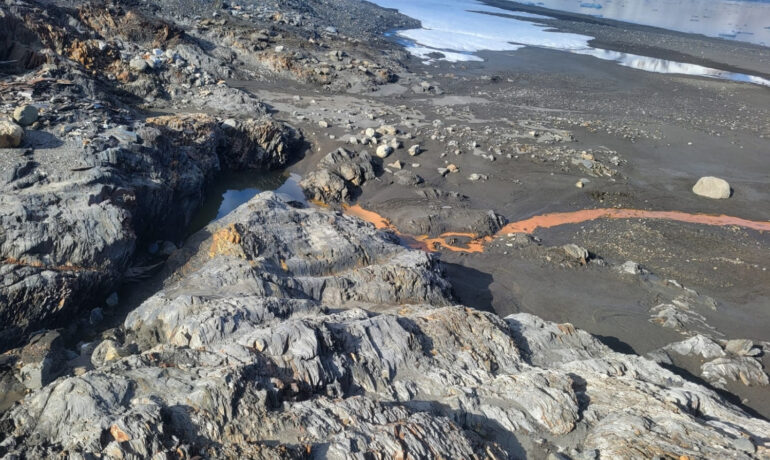
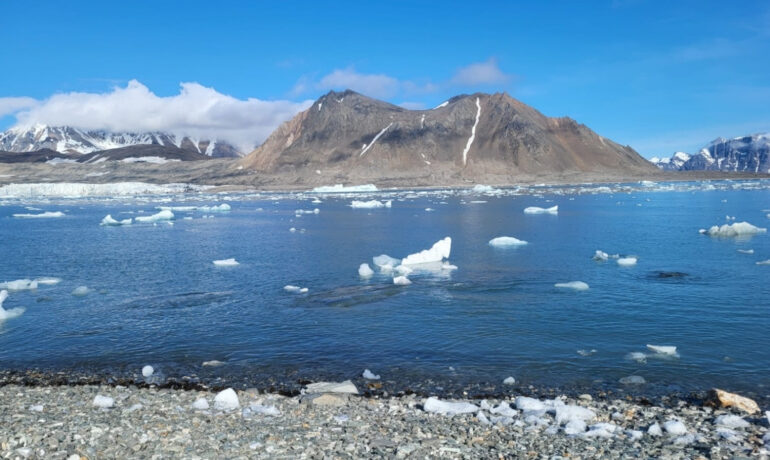
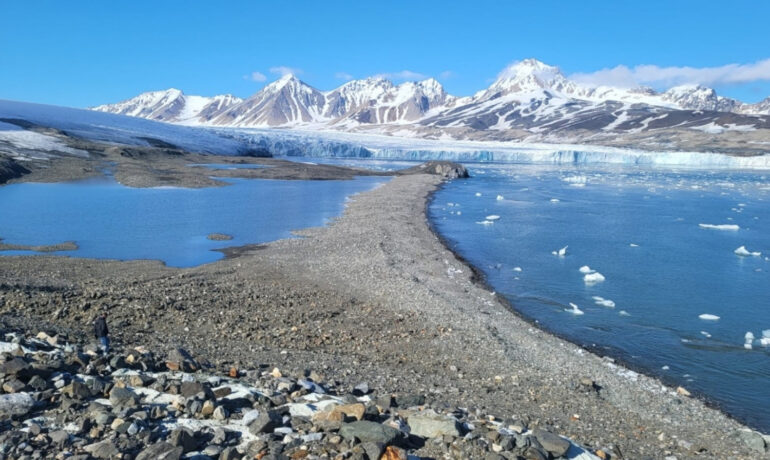
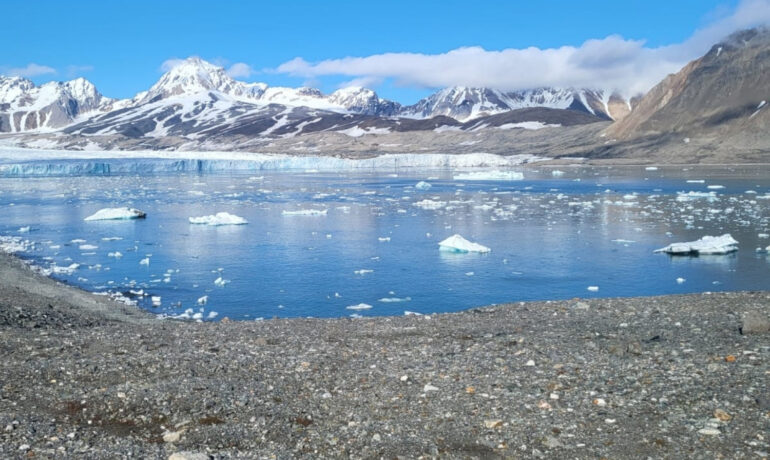
The agreement provides for joint geophysical research in 2026–2027 at the Polish polar station “Hornsunn,” named after Stanisław Sidletsky (Svalbard, Arctic), and at the Ukrainian Vernadsky base (Antarctica). The goal is to establish two synchronized laboratories in both polar regions.
For Ukraine, this is a “window” into the Arctic, where we do not have our own base. But now we will be able to participate in Arctic research, gain access to the infrastructure and data of the Polish polar station, exchange experience and technologies, and more.
What is planned?
– cross-calibration of equipment for magnetic measurements;
– point-specific field measurements of the magnetic field for a comparative analysis of variations in the northern and southern hemispheres;
– collection of rock and sediment samples in the areas surrounding both stations;
– comparative studies of soil and permafrost using georadar;
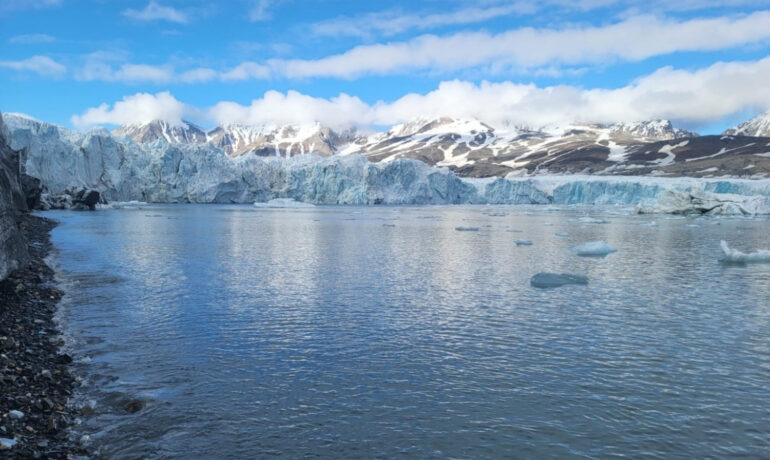
– seismological studies, including observations of glacier calving;
– environmental monitoring in the context of climate change and other joint research areas.
“It’s not just disorders that are bipolar—research can be, too. Comparing the same processes in two polar regions is the key to distinguishing the global from the local and to understanding planetary processes. It seems that, in some ways, the Arctic is ‘the Antarctic turned inside out.’ Similar, but not identical. I am truly delighted that we and our Polish colleagues are looking to the future, not the past. And thanks to this cooperation, the path to the Arctic has been opened for our scientists. The next step, of course, after our Victory Day, is to establish own station there,” noted Evgen Dykyi, director of the NASC.
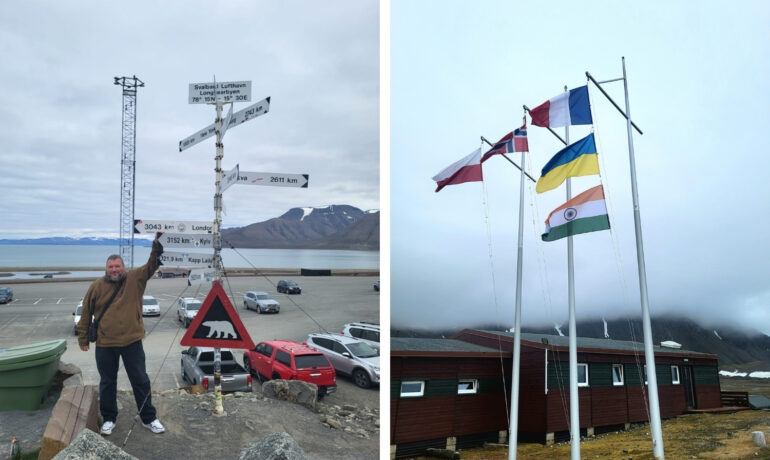
He had just returned from a visit to the “Hornsunn,” where he had the opportunity to assess the potential for cooperation in the Arctic.
Under the agreement, as early as late summer this year, two Ukrainian geophysicists—Yuriy Sumaruk and Anton Kushnir—will travel to the Arctic to conduct joint research. The plans include measuring the components of the geomagnetic field and selecting a site for installing additional equipment. Data from such observations are necessary for studying Sun-Earth interactions and the geological structure of the Earth’s crust.
And during the Antarctic summer (when it is winter in Ukraine and the Arctic), we expect Polish specialists to visit the Vernadsky Research Station.