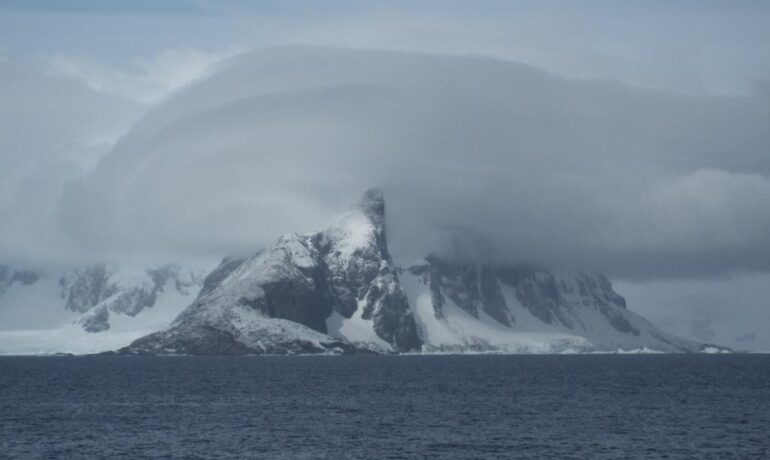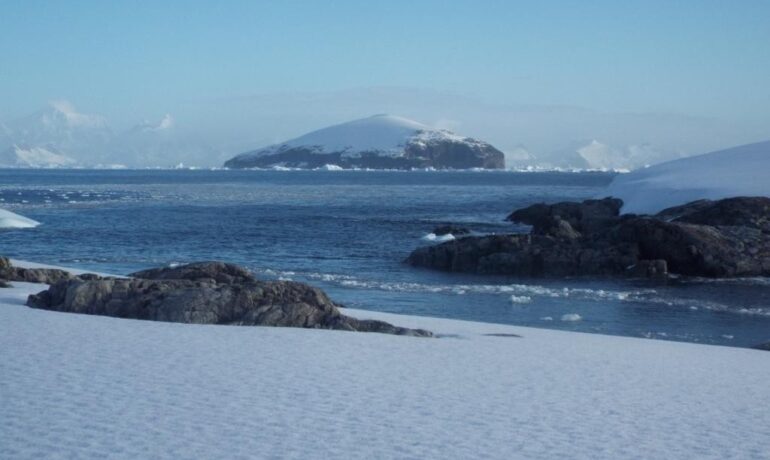

In May, at a meeting in Japan, the Antarctic Treaty Consultative Parties reached consensus to support Ukraine’s proposal to create a new specially protected area — Collins Bay. Located in the geographic sector of the Antarctic Peninsula, near Ukraine’s Akademik Vernadsky station, the decision crowns seven years of work by scientists and international specialists and opens new opportunities to preserve unique Antarctic ecosystems.
Why it matters
Antarctica’s fragile ecosystems face growing pressure from tourism and the logistics that support it. According to the Antarctic Treaty Secretariat, visitor numbers to the region exceeded 100,000 per year in the 2020s. About 98% of tourist voyages are concentrated on the Antarctic Peninsula during the brief summer season.
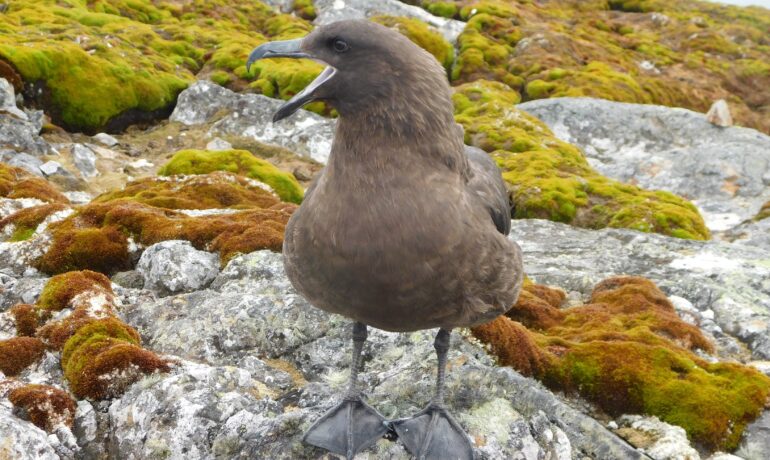
Rising shipping and tourism increase the risk of disturbing seabird nesting sites, degrading terrestrial vegetation, and spreading non‑native species. That is why establishing specially protected zones with restricted visitor access is crucial.
How the new Antarctic Specially Protected Area (ASPA) was created
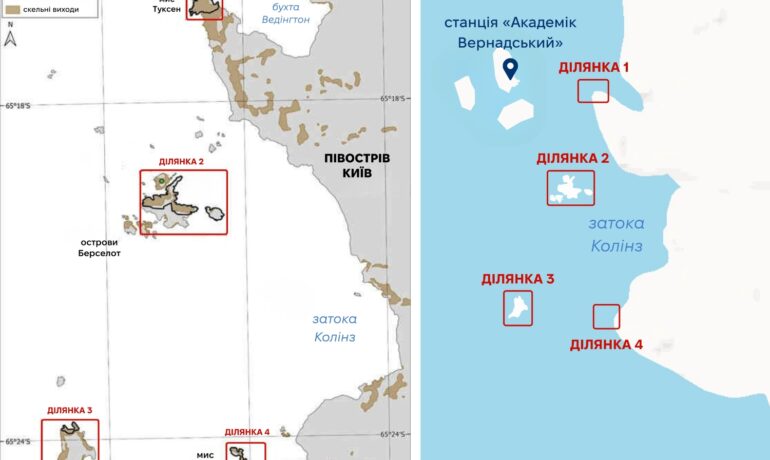
The original Ukrainian initiative was broader and aimed to cover several valuable coastal sites and island archipelagos in the Kyiv Peninsula area. A comprehensive ASPA proposal and the necessary documentation were prepared by Ivan Parnikoza, head of the Biology and Ecology Department at the Ukrainian Antarctic Center (UAC), and department researcher Anna Yevchun.
Andriy Fedchuk, head of international cooperation, led the submission and advocacy efforts at Antarctic Treaty meetings. Some Treaty parties blocked the creation of the larger proposed area, so the team pursued a stepwise approach by proposing smaller protected areas.
The first of these, Collins Bay, was approved this year. The protected area covers 1.65 km².
A clustered ASPA
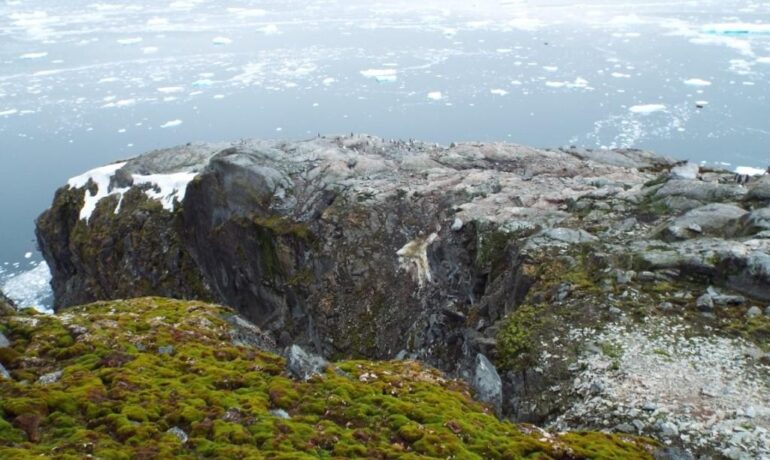
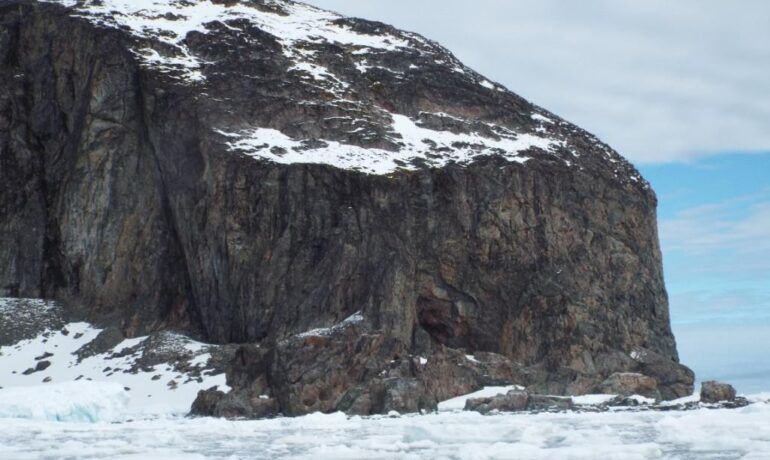
Collins Bay is one of the few clustered ASPAs in Antarctica: it unites several islands and headlands under a single conservation concept focused on protecting terrestrial biodiversity, rather than protecting a single small plot. This design preserves different habitat types and enables comprehensive protection of key ecosystems.
Key natural values
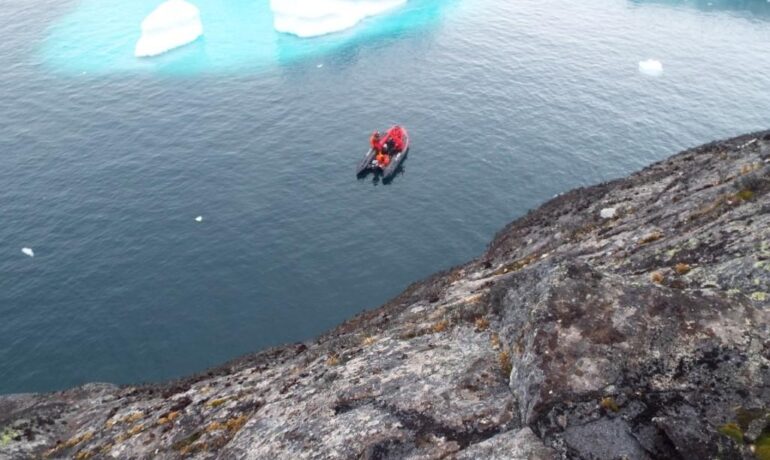
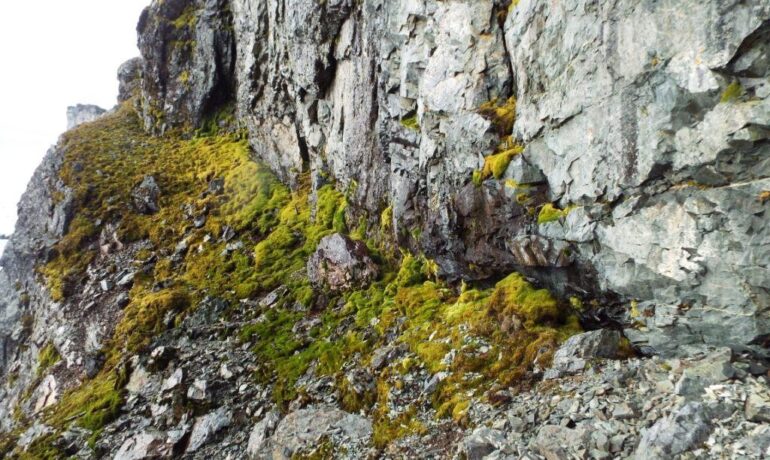
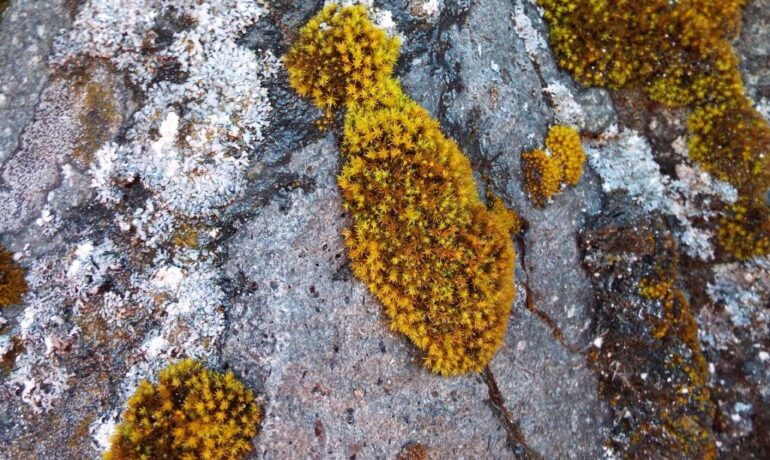
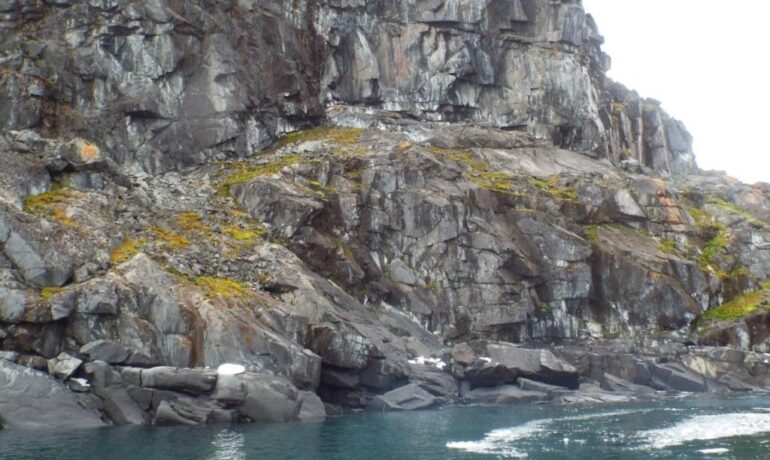
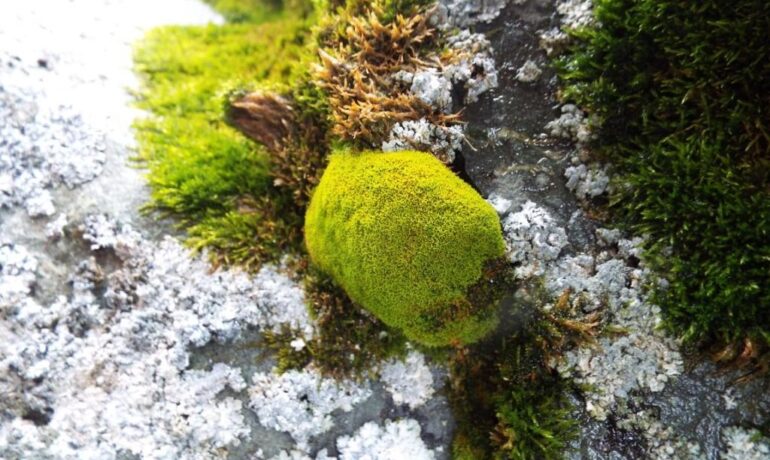
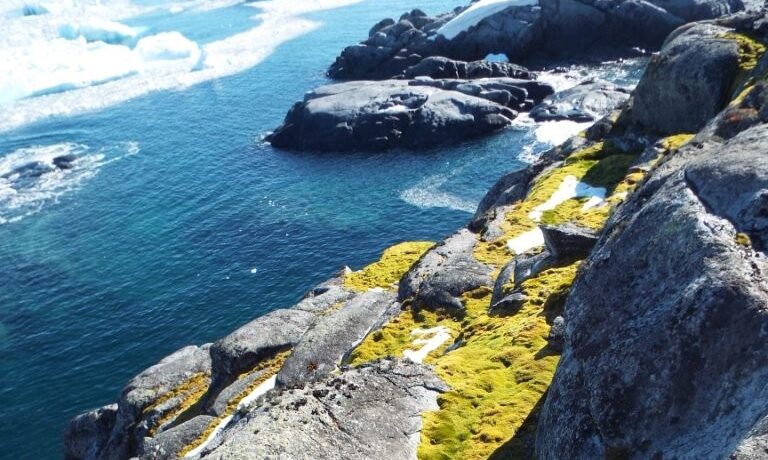
The area’s main value lies in its unique assemblages of terrestrial plants. Both species of Antarctic flowering plants — Deschampsia and Colobanthus — occur on the rocky cliffs. Rare moss and lichen communities are also found here, including Didymodon, a moss that grows “head down.”
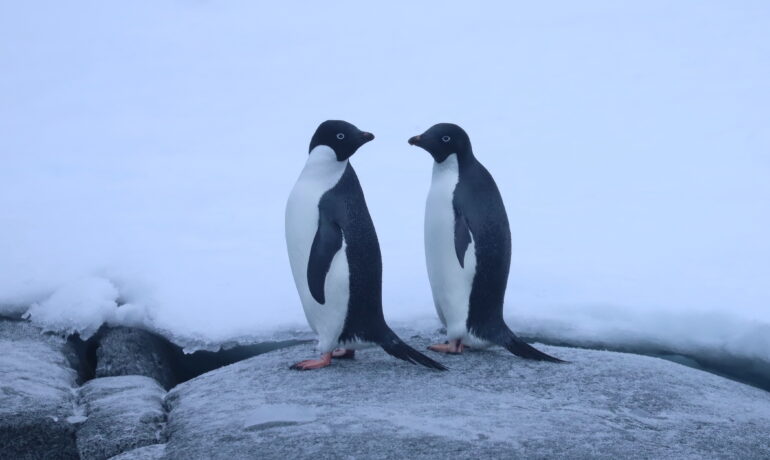
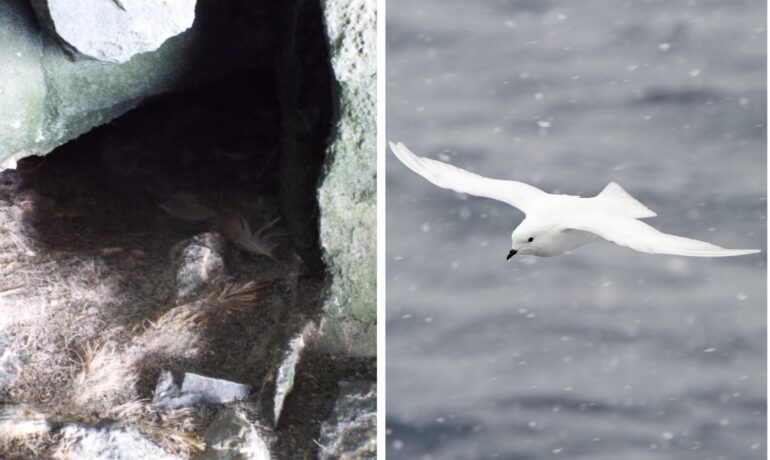
One island within the ASPA hosts breeding Adélie penguins. Unlike sub‑Antarctic populations, Adélie colonies in warming areas are decreasing. Collins Bay is also the only known locality in our region with nests of snow petrels.
Scientific importance
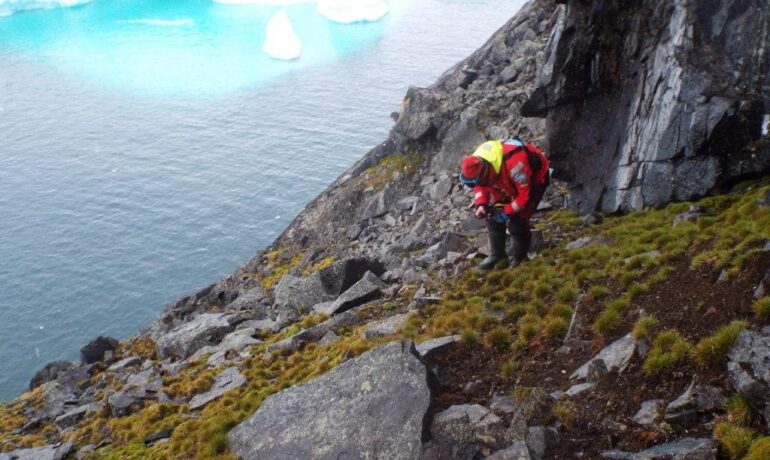
Beyond conservation, establishing the ASPA serves an important scientific purpose. Ukrainian researchers have set up control plots within the area for long‑term monitoring of flora and fauna responses to climate change. A reliable, undisturbed research space will produce comparative data needed to understand the rates and mechanisms of ecosystem transformation in the polar region.
By securing Collins Bay, Ukraine has made a significant contribution to both the study and — most importantly — the protection of Antarctica’s vulnerable ecosystems.