After extensive negotiations, the member states of the Antarctic Treaty have reached a consensus to support Ukraine’s initiative to establish a new Antarctic specially protected area (ASPA) in Collins Bay, located near the Vernadsky base.
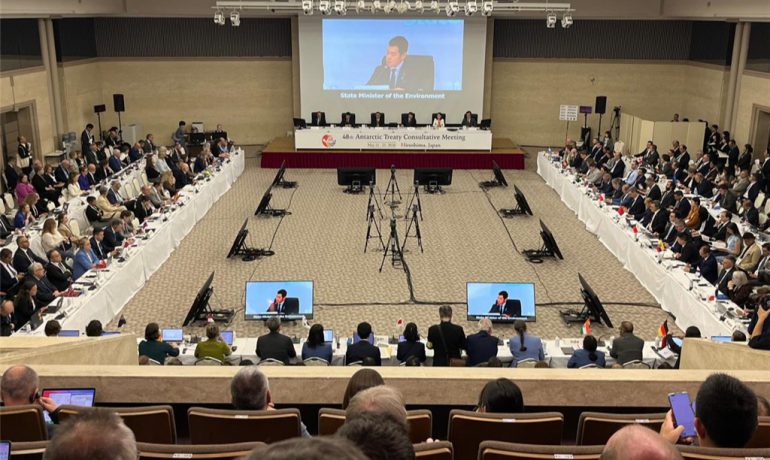
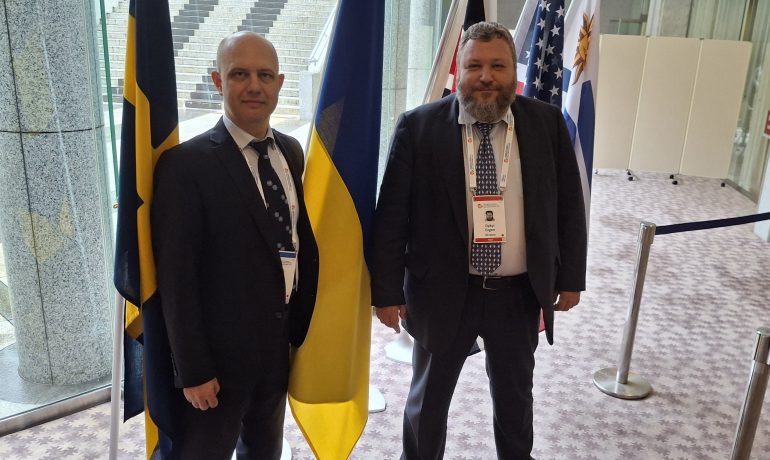
This important decision was made during the 48th Consultative Meeting of the Antarctic Treaty Parties, held from May 11 to May 21 in Hiroshima, Japan, following three years of intensive international discussions, with Ukraine traditionally represented by the National Antarctic Scientific Center (NASC).
The new protected area encompasses five distinct sites in Collins Bay, renowned for their unique moss ecosystems, bird colonies, glacial landscapes, and rich biodiversity. The aim of this Ukrainian initiative is to provide long-term protection for these ecosystems from increasing tourist activities and the adverse effects of climate change.
During the meeting, our delegation also asked the parties to condemn the illegal imprisonment of Ukrainian marine biologist Leonid Pshenichnov by the Russian occupying authorities in Crimea and demanded his release. This appeal received support from all Consultative Parties in Europe, as well as leading countries in the Asia-Pacific region, including Japan, South Korea, Australia, and New Zealand. In response, the Russian delegation claimed that this matter was an internal affair and cynically called for a focus on issues that unite the Antarctic community rather than divide it.
Additionally, the meeting featured complex political discussions regarding the expansion of Consultative Parties to the Antarctic Treaty. Currently, there are 58 countries that are parties to the Treaty, but only 29, including Ukraine, hold Consultative status, which allows them to participate in voting on all matters related to Antarctica. Given that all decisions are made by consensus, each vote becomes crucial.
Three countries have applied for Consultative status: Canada, the Republic of Belarus, and Turkey. The Ukrainian delegation supported the applications from Canada and Turkey while advocating for the deferral of Belarus’s application.
Unexpectedly, India declared that all the applicants deserve to receive Consultative status, suggesting that this status should be granted to everyone or to no one. The Ukrainian delegation characterized this maneuver as “hostage-taking,” asserting that the pathways for Canada and Turkey were obstructed not due to any grievances against them, but simply to pressure other nations into agreeing to a “trade.”
“This practice resembles tactics used by terrorist regimes and underscores the wider crisis in legal systems based on consensus, where individual parties exploit their veto rights to exert pressure,” noted Evgen Dykyi, Director of the NASC.
Another critical issue addressed at the meeting was the repeated blockage by Russia and China of a proposal to grant the emperor penguin special protected status, despite reports of a critical decline in their populations due to the loss of sea ice. In April of this year, the International Union for Conservation of Nature classified emperor penguins as endangered.
The geopolitical battle continues on the Antarctic “chessboard,” with even the penguins becoming involved in the intricate dynamics of international relations.