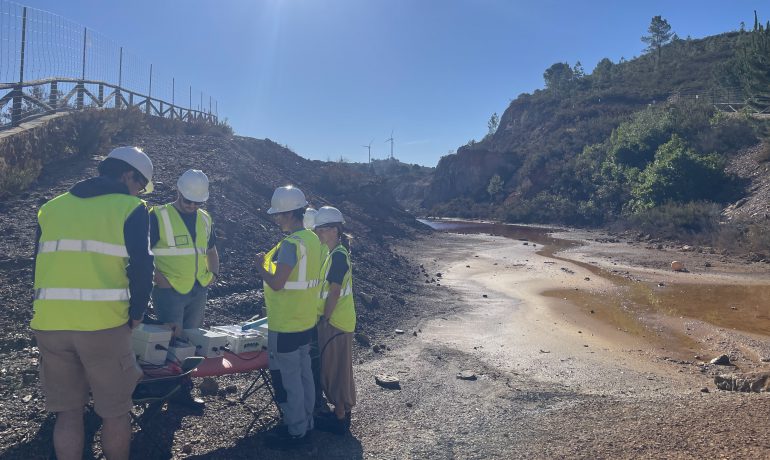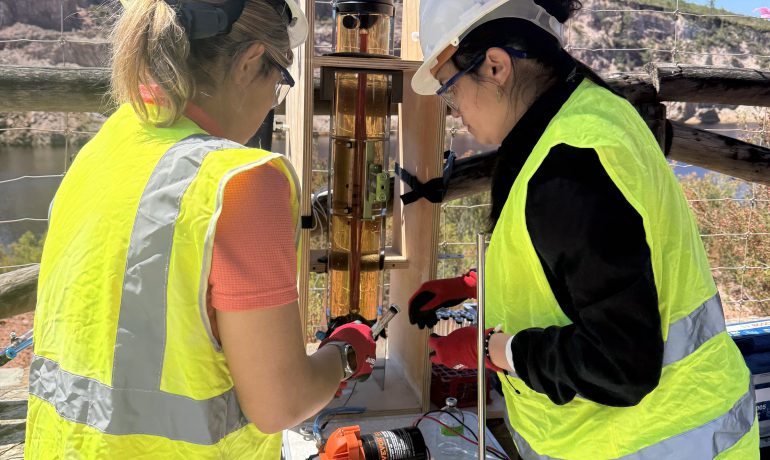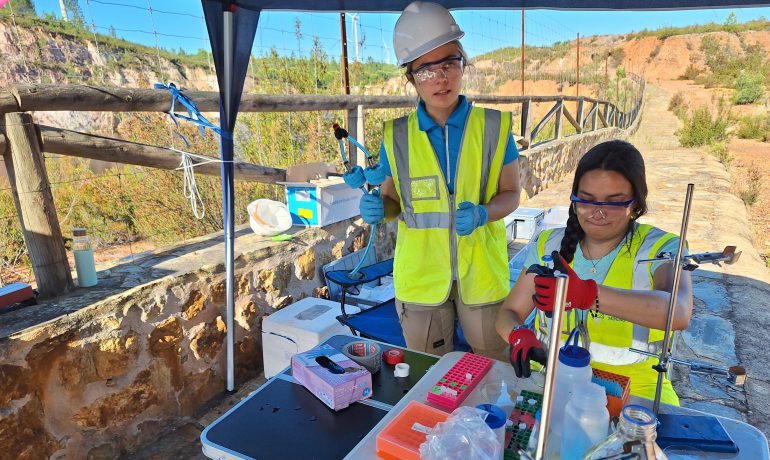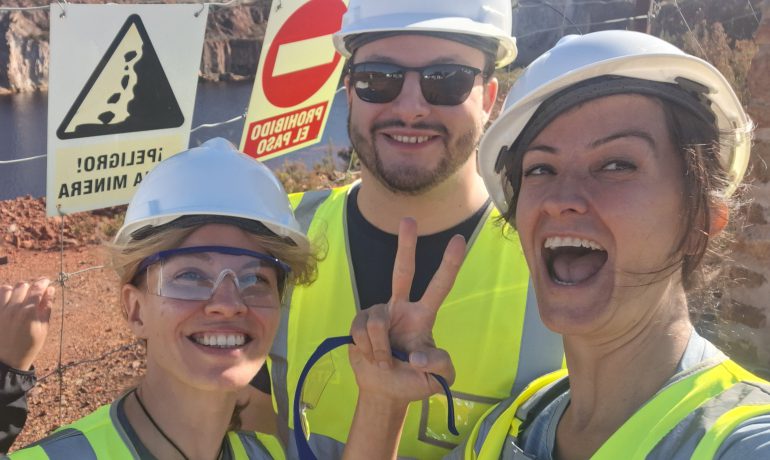

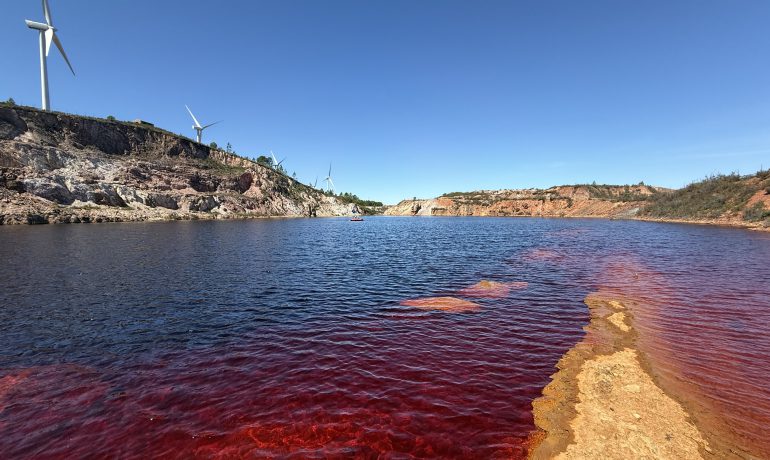
A team of scientists from Ukraine, Spain and Portugal collected microbiological samples from acidic lakes to search for bacteria that survive in extreme conditions. The research was conducted as part of the EXPLORA project under the Horizon Europe programme.
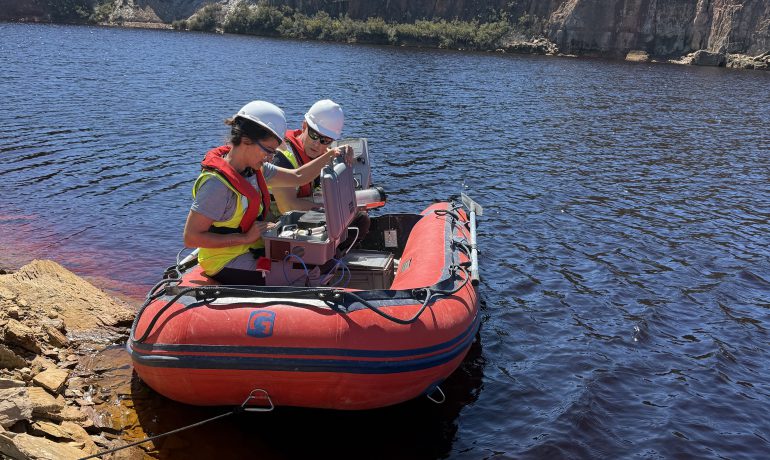
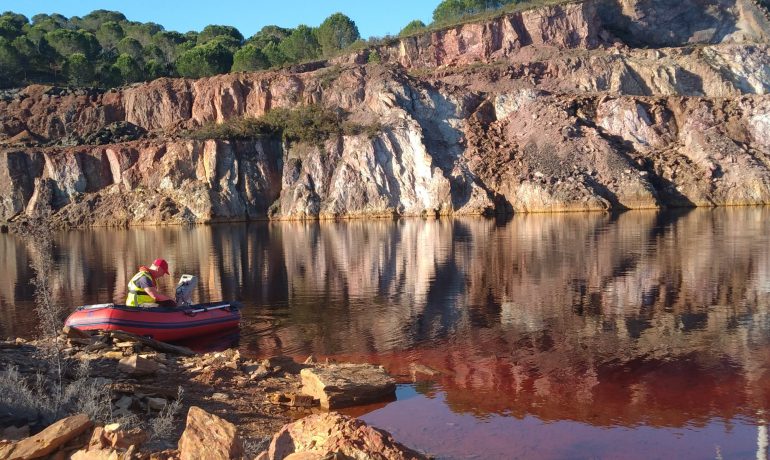
Among the researchers was Ukrainian biologist Maria Pavlovska. The team worked in the red waters of Filón-Centro (Spain), located in a derelict mining complex in the Rio Tinto basin in the country’s southwest—one of the most extreme environments on Earth.
These ecosystems resemble Martian environments: both are rich in iron, have extensive methane deposits, and are highly acidic. If liquid water persisted on Mars in the past, some iron-rich surface environments could have resembled the acidic lakes of the Rio Tinto basin. For this reason, such sites are valuable natural analogues for astrobiology and for studying the potential for life in extreme conditions.
The lakes have a pH of about 2.5—similar to vinegar or lemon juice—and deeper layers are anoxic, conditions hostile to most life. They also contain high concentrations of sulfates, iron, aluminum, manganese and copper.
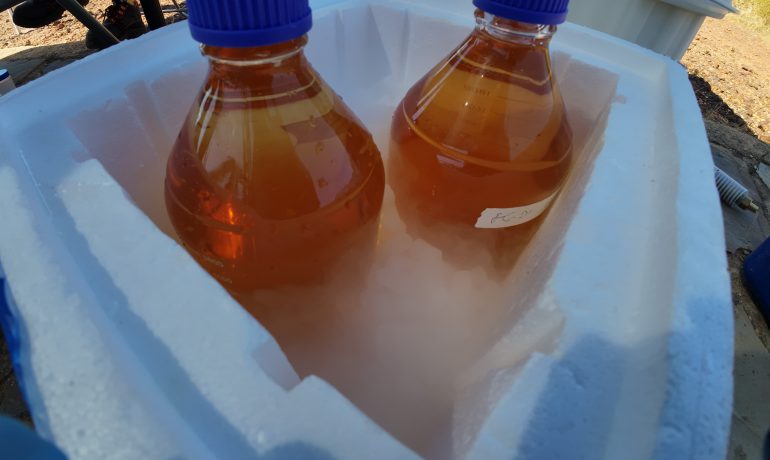
Yet life persists. Scientists collected microbial samples now awaiting genomic analysis and cultivation.
The study has several aims:
- to uncover the survival strategies and functioning of bacteria in extreme environments;
- to identify promising microorganisms that can synthesize useful compounds and cultivate them for practical applications.
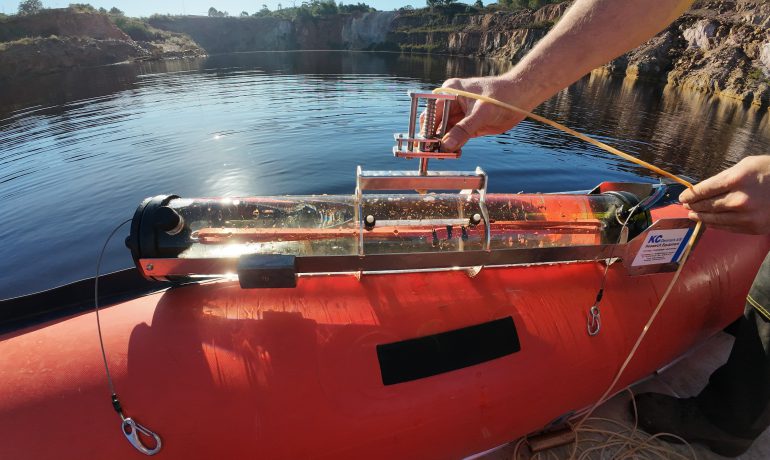
During the field expedition in Spain, the team also tested a prototype sampling robot designed for hostile environments. The device passed the trials and will next be tested in Antarctica. Next season, international partners plan to collect Antarctic “extremophile” samples near the Ukrainian Antarctic station Akademik Vernadsky.
For reference: Participants included researchers from the Institute of Enterprise (IEU, Spain), the National Antarctic Scientific Center (NASC, Ukraine) and the Institute of Science and Innovation in Mechanical and Industrial Engineering (INEGI, Portugal). The work continues within the EXPLORA project “Unlocking The Hidden Treasures Of Aquatic Extremophiles: Sustainable Development of Industrially Relevant Novel Active Biomolecules” funded by Horizon Europe.