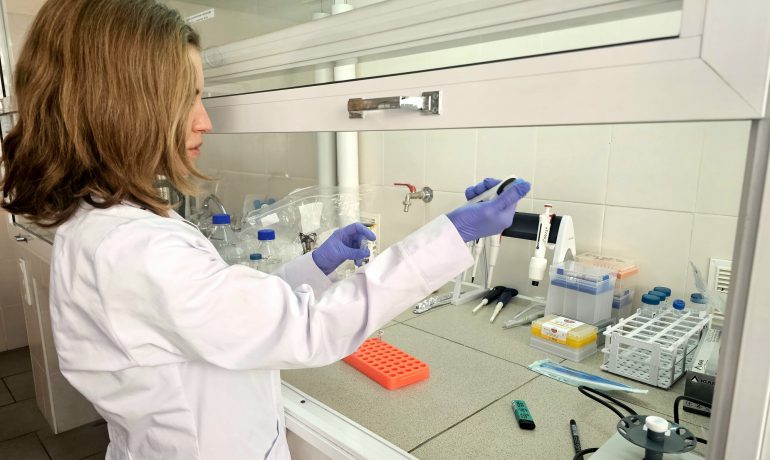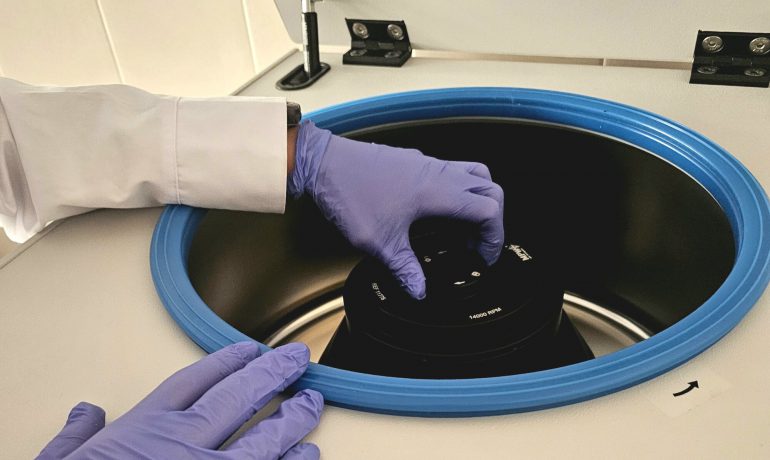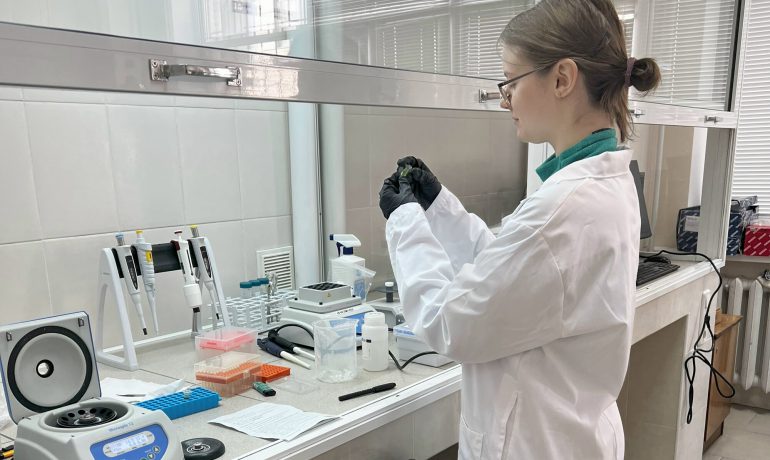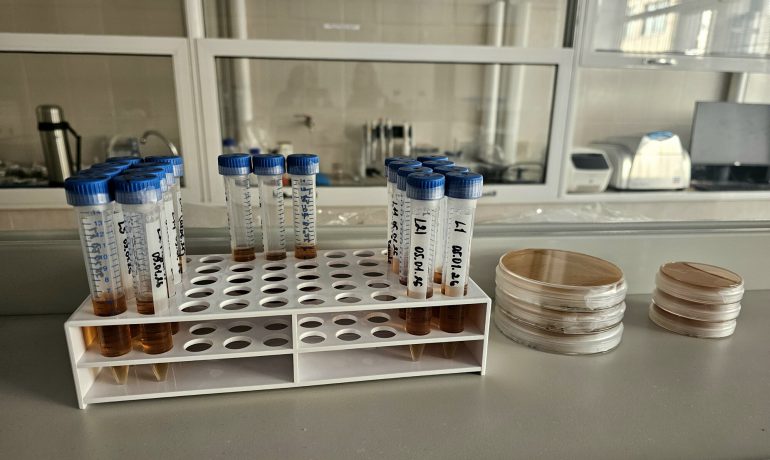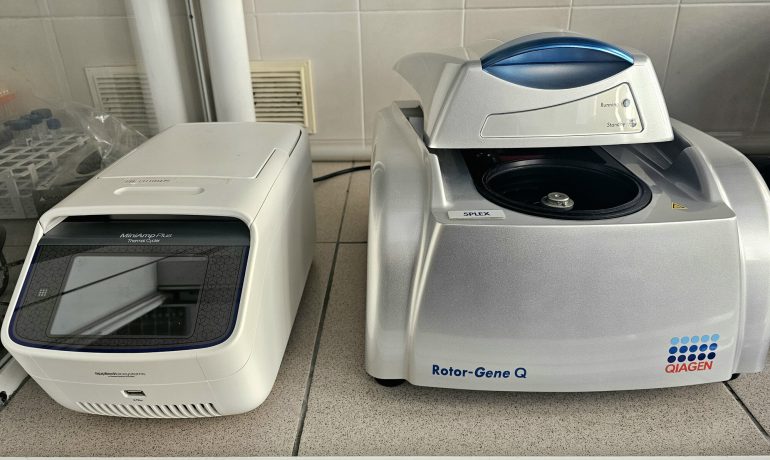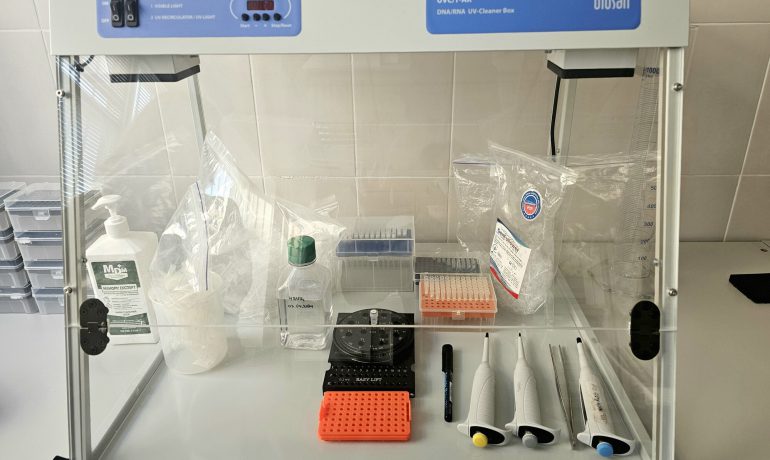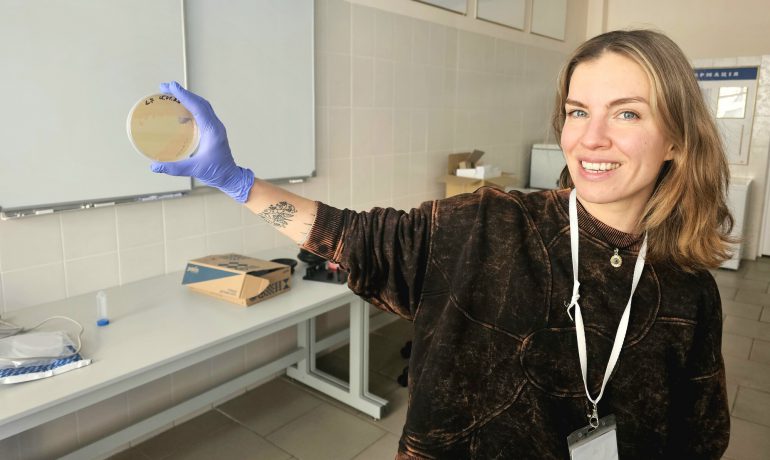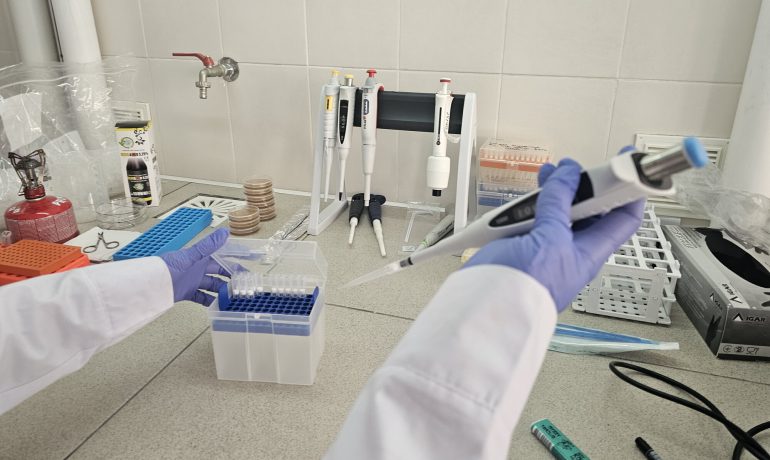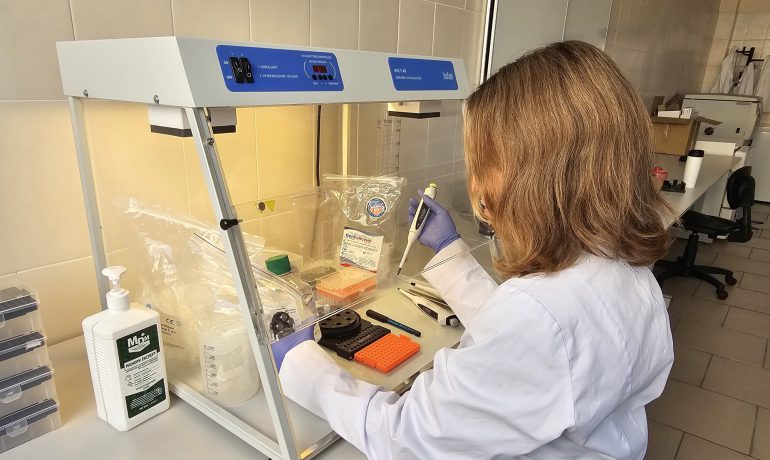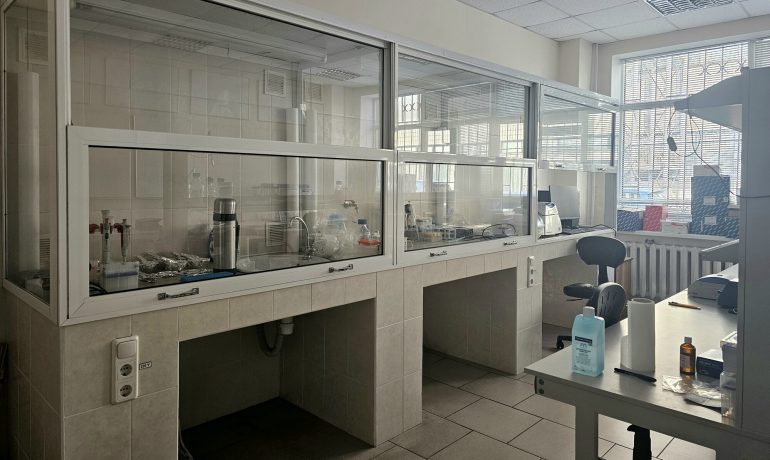

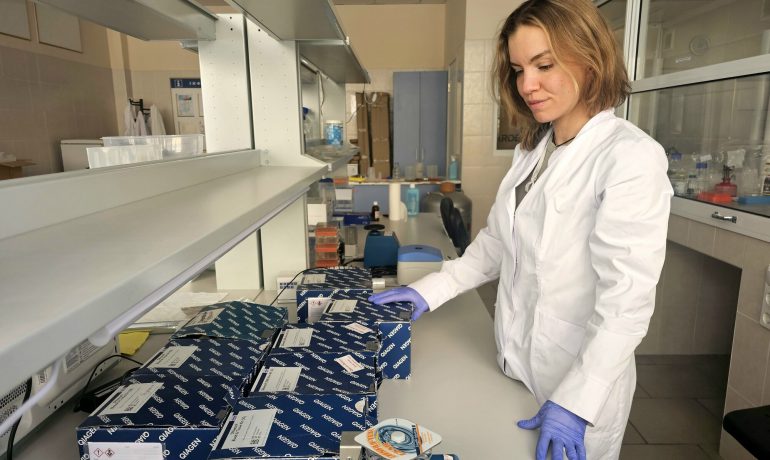
The National Antarctic Scientific Centre has opened its own laboratory for analysing biological samples brought back from Antarctica.
This is a significant step, as the life sciences have long been among the Centre’s research priorities.
Some of the biological research is carried out directly at Vernadsky base in Antarctica, some in the ocean aboard the r/v Noosfera, and the rest in well-equipped laboratories on the mainland. Samples from Antarctica were brought to Kyiv, distributed to various institutions of the National Academy of Sciences of Ukraine and universities, and sent abroad for analysis.
However, the scope of work undertaken by NASC biologists grew so significant that establishing a modern laboratory tailored to the needs of polar biology became necessary. And now it is finally up and running.
‘Of course, during the war, no one would spend money on construction: the laboratory premises were kindly provided by the Kyiv Aviation Institute (KAI). The NASC brought in the equipment and literally started work “on the fly,’ said the director of the Centre, Evhen Dykyi.
The laboratory is headed by Maria Pavlovska, who specialises in marine microbiology and environmental DNA (eDNA) analysis. This method allows the entire biodiversity to be determined from a single sample, from bacteria and viruses to fish and whales.
Currently, with modern equipment, the laboratory offers a complete molecular genetic research cycle.
One of the priorities is bioprospecting. This involves searching for substances in Antarctic plants and microorganisms that could be useful in medicine, the food industry, and related fields, such as new antibiotics or antioxidants.
It is no coincidence that the Department of Biotechnology became the NASC’s leading partner in the KAI.
In this area, scientists are investigating the complex interactions among organisms in polar ecosystems — from the exchange of biosynthetic products between bacteria and microalgae in the Southern Ocean to the subtle ‘adjustments’ in the symbiotic relationships between Antarctic insects, plants, and the bacteria inside them.
Such an intertwining of fundamental and applied research requires a lot of staff, so students are actively involved in the work. They have the opportunity to complete coursework and Ph.D thesis in the laboratory. These concerns both ‘local’ biotechnology students from KAI and representatives of Kyiv Shevchenko National University, and in the future, other universities.