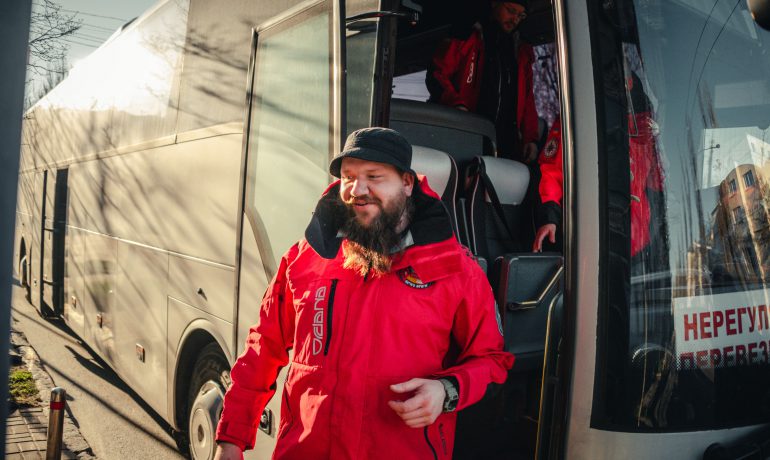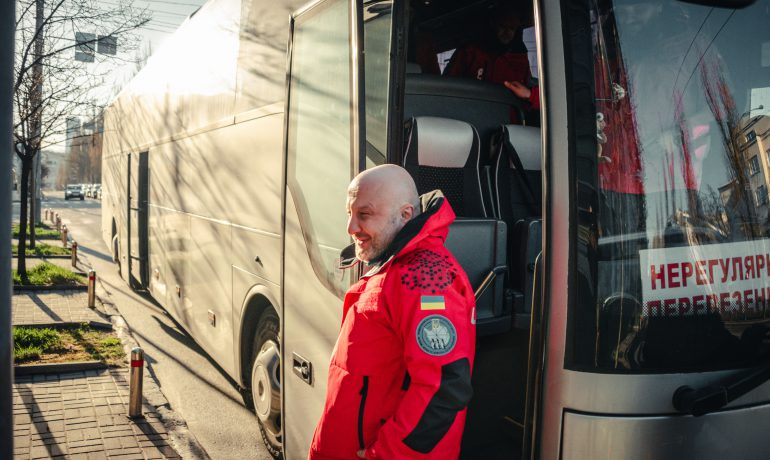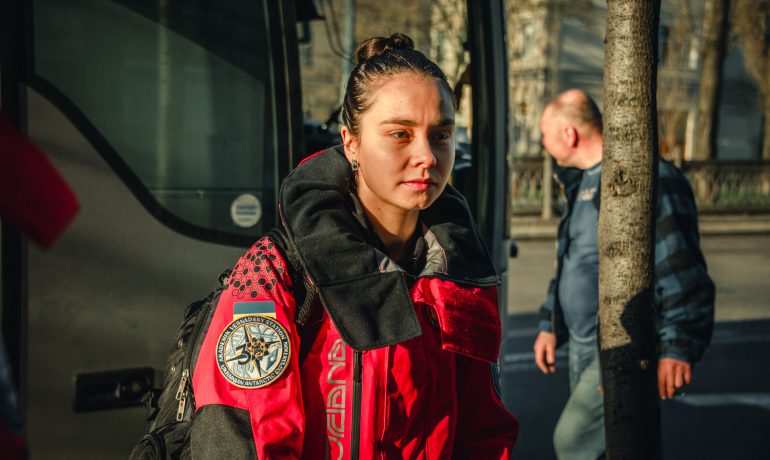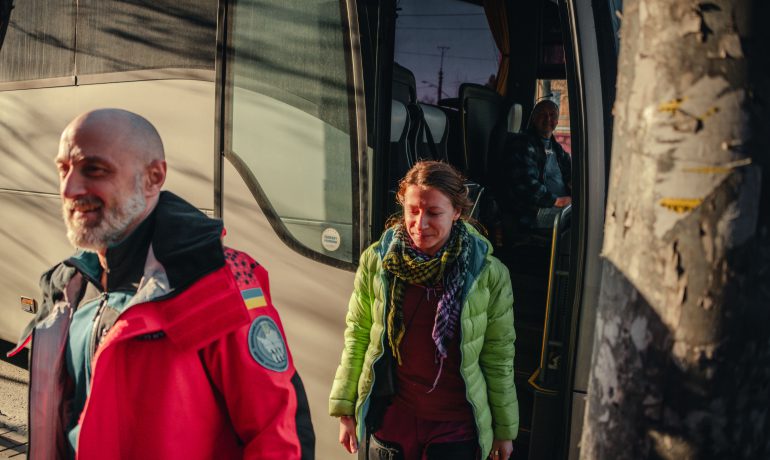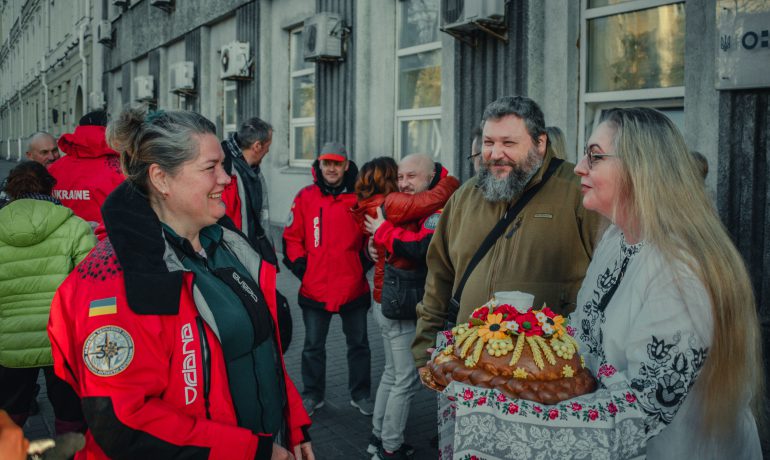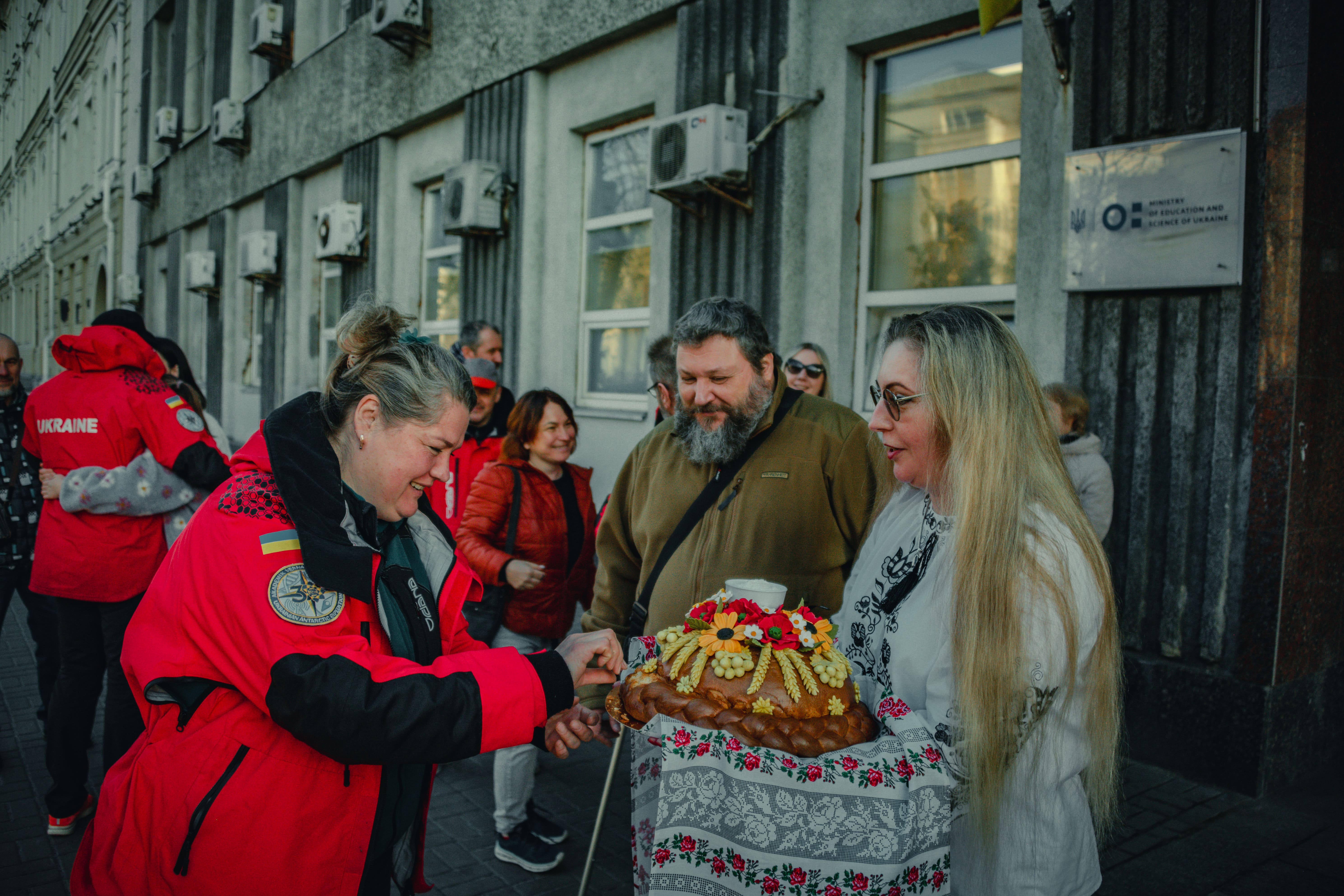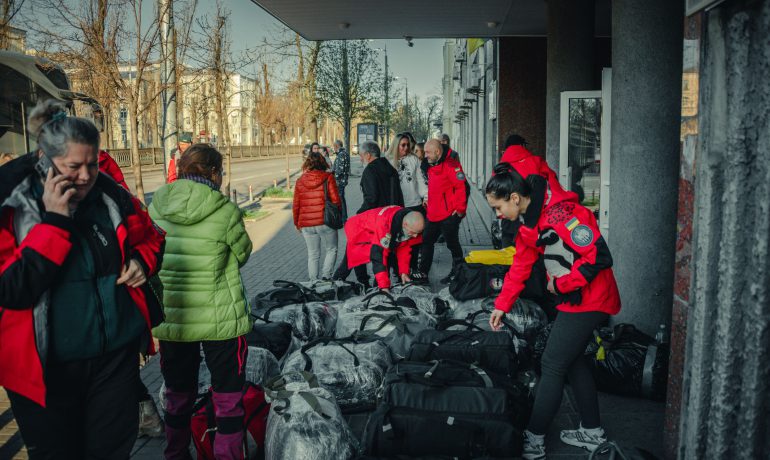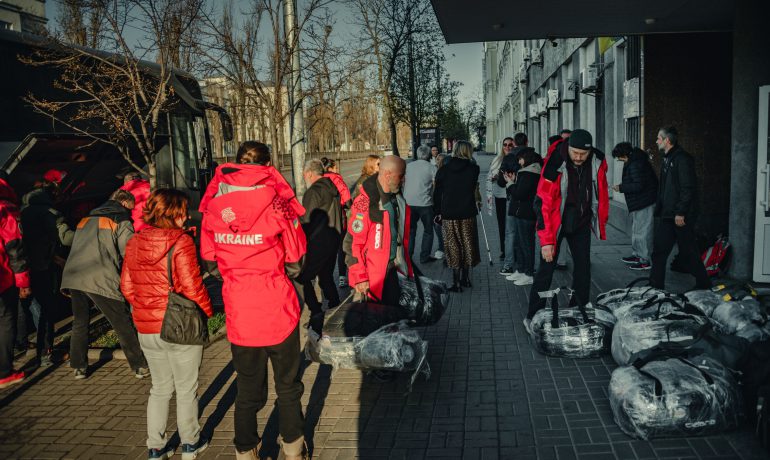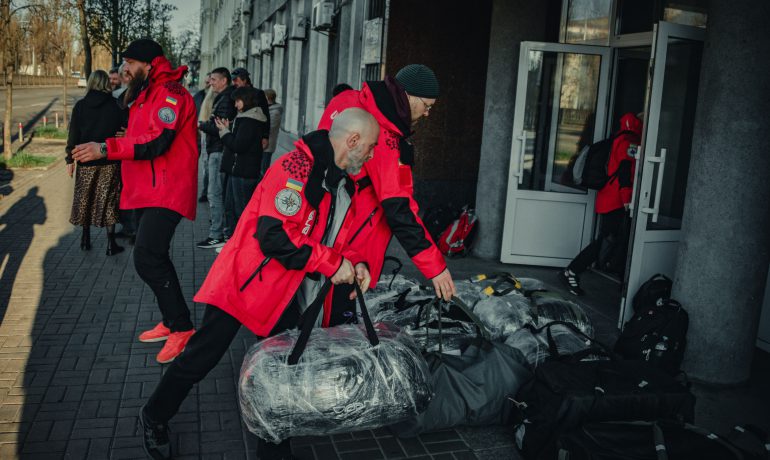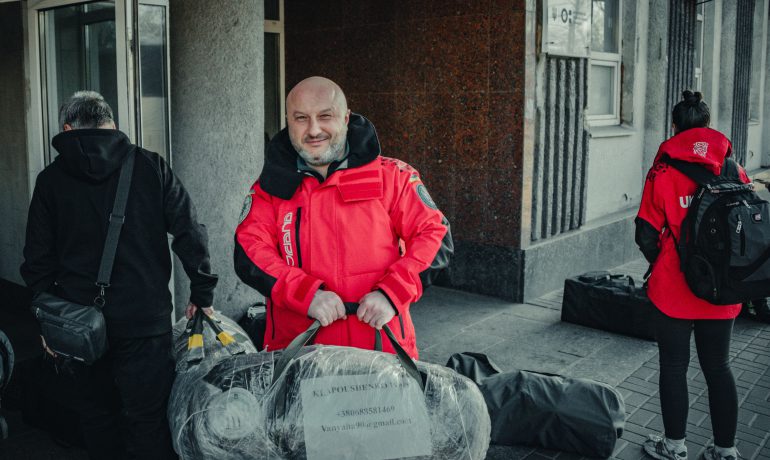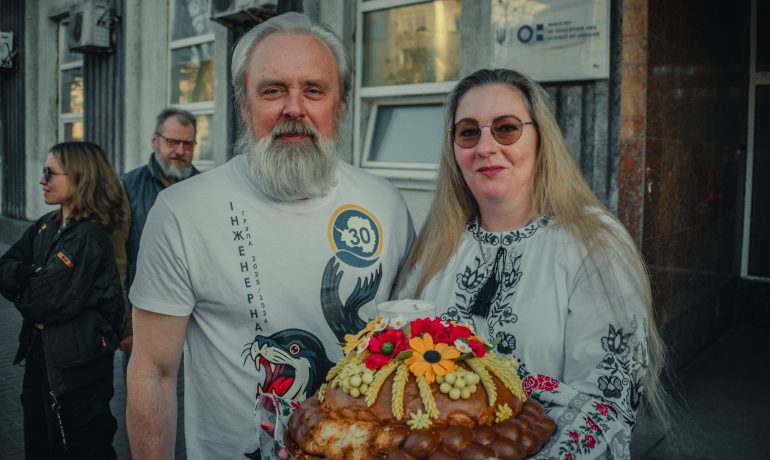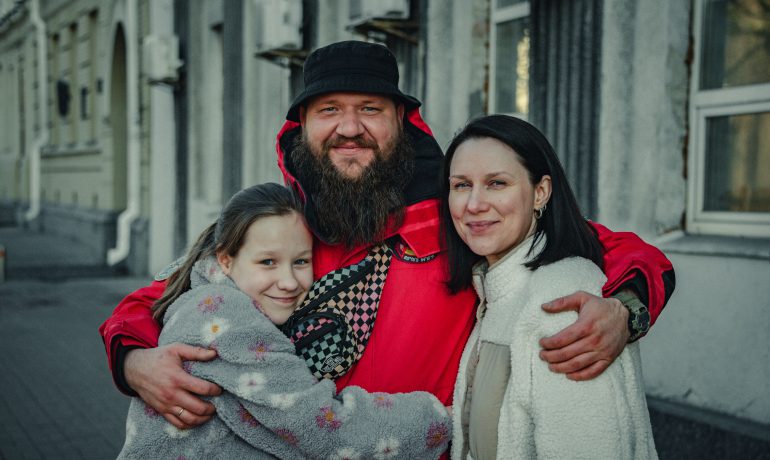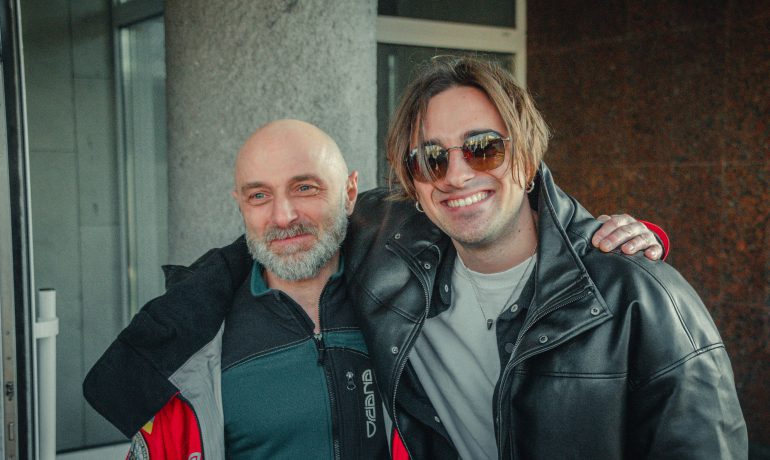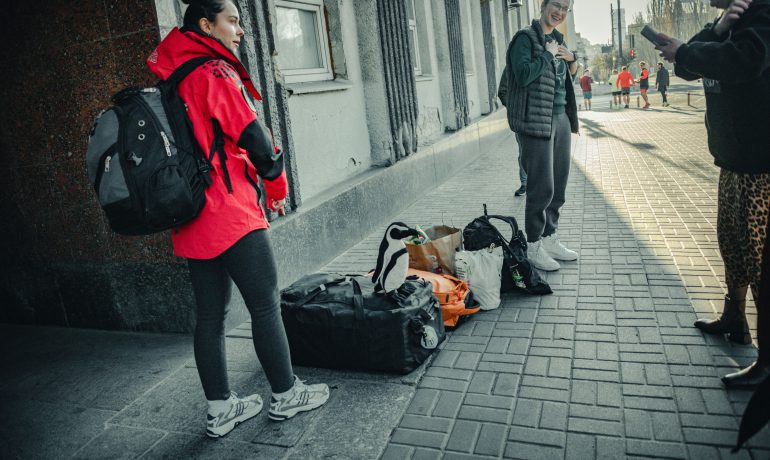

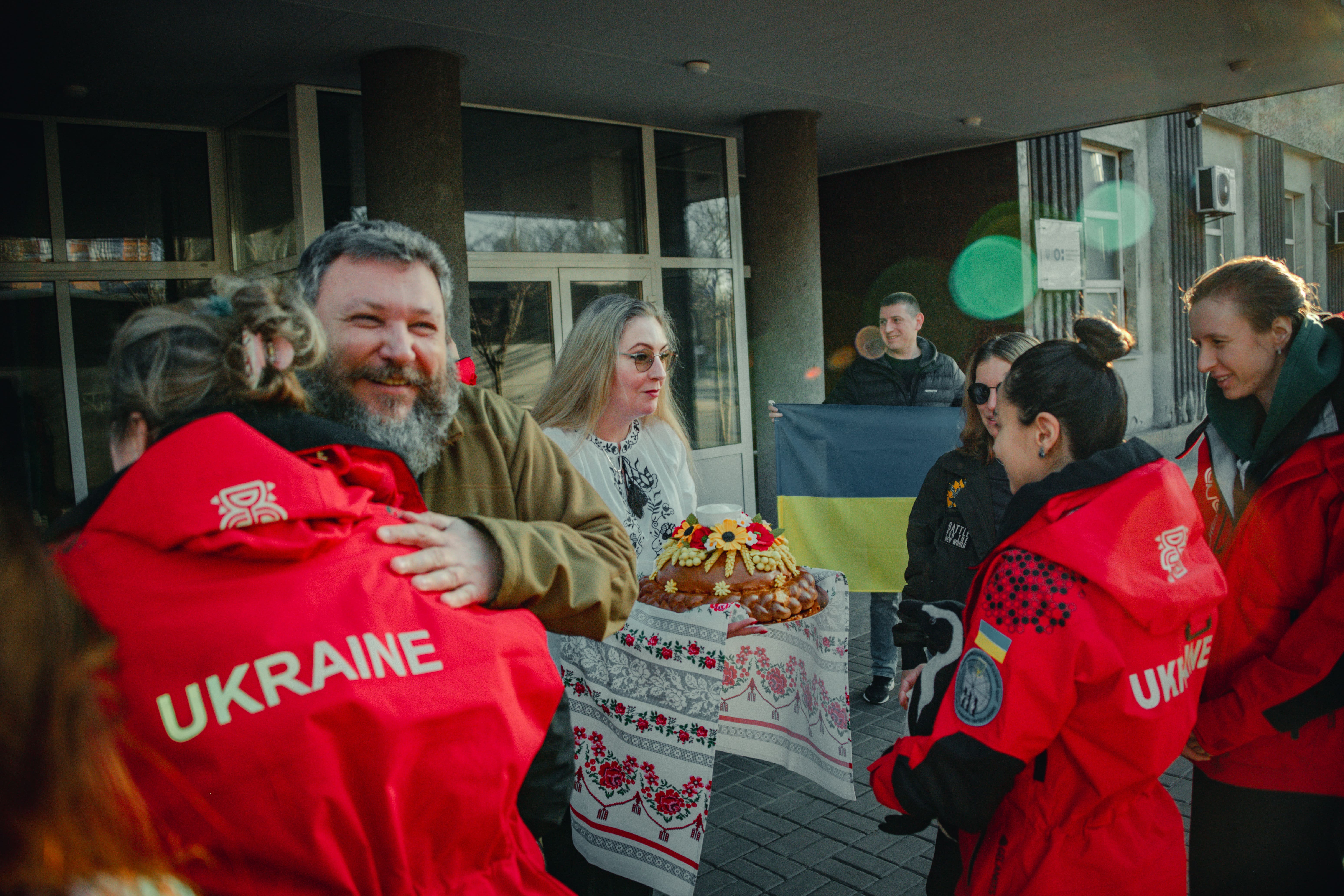
After a year of work at the Vernadsky Station, the 30th anniversary Ukrainian Antarctic Expedition (UAE) has returned home. Its members arrived in Kyiv today, April 4, 2026.
The journey from Antarctica took over a week. First, our vessel, the “Noosfera,” transported the team to the Chilean port of Punta Arenas. From there, the expedition flew to Warsaw and then travelled by bus to Ukraine.
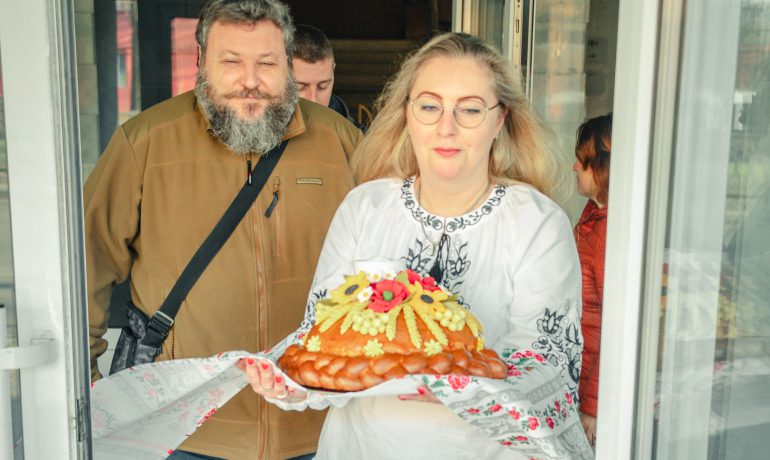
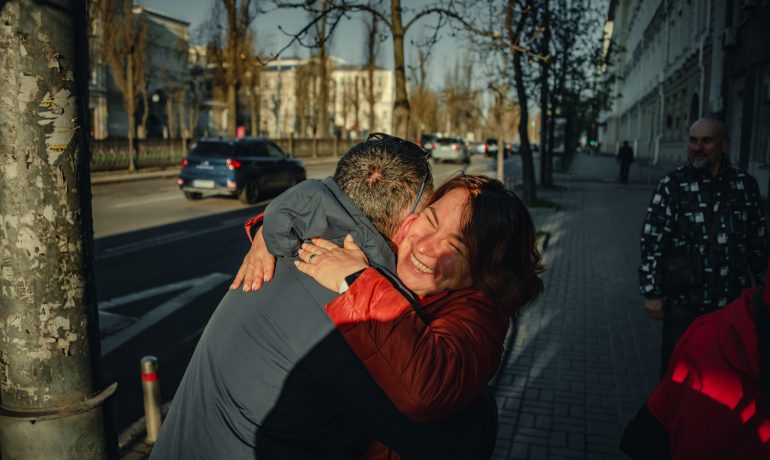
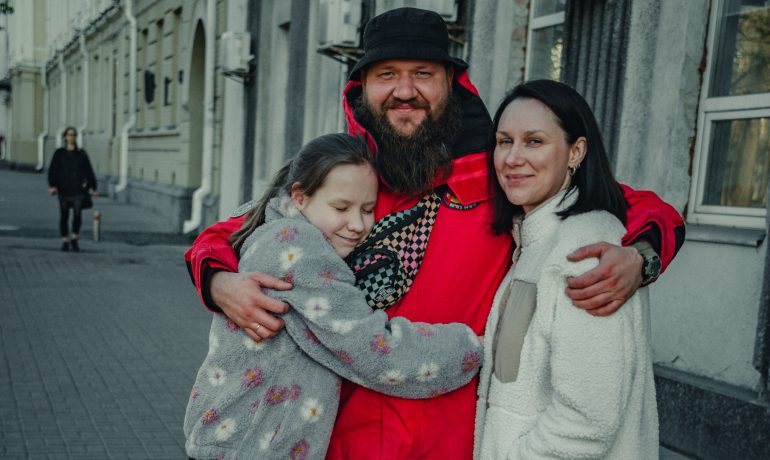
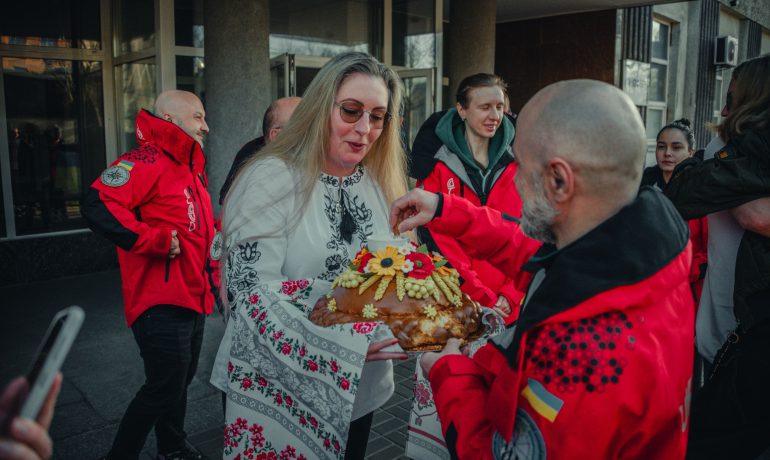
The winterers arrived in Kyiv early in the morning, where their families, friends, and colleagues were already waiting to welcome them with warm embraces.
“The team fully accomplished its mission in Antarctica. We ensured both the continuous operation of the station and research, as well as Ukraine’s international representation in the most remote corner of the world,” noted Oleksandr Poluden, base commander of the 30th Ukrainian Antarctic Expedition.
As a reminder, the expedition consisted of 13 polar explorers: 8 scientists, a doctor, a cook, a system administrator, a diesel engineer, and a mechanic.
The scientists worked in geophysics, meteorology, and biology. In particular, they conducted continuous observations that enabled the recording of climate change, the state of the ozone hole, the dynamics of Earth’s magnetic field, global seismic activity, space weather, the response of living organisms to warming in Antarctica, and more.
Some research was conducted with foreign colleagues hosted at the station. For example, the First Mexican Antarctic Expedition took place at Vernadsky base. Ukrainian polar researchers not only worked together with its scientists but also put up a Christmas tree and cooked borscht.
Along with the annual team, the members of the seasonal crew who worked at Vernadsky base and Noosfera during the Antarctic summer (which is winter in Ukraine) returned.
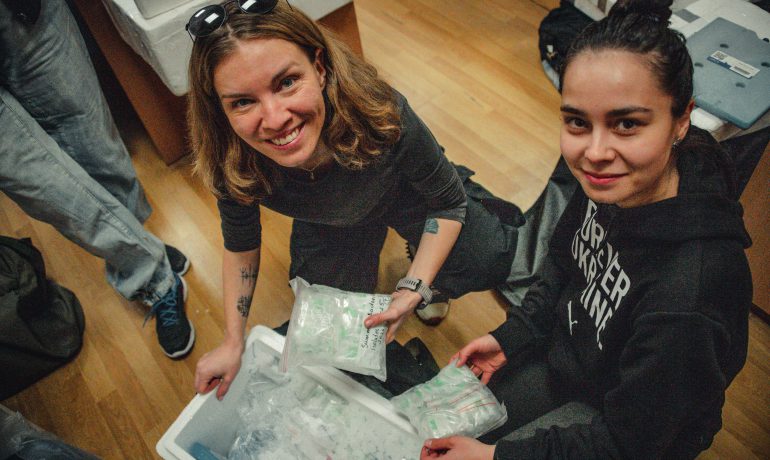
Their work focused on two areas: technical and research. The engineering team carried out urgent upgrades to the station. The seasonal scientists collected biological and geological samples, installed new equipment, and established monitoring stations at new locations.
Photo: Oleksandr Zakletskyi